Our Vision
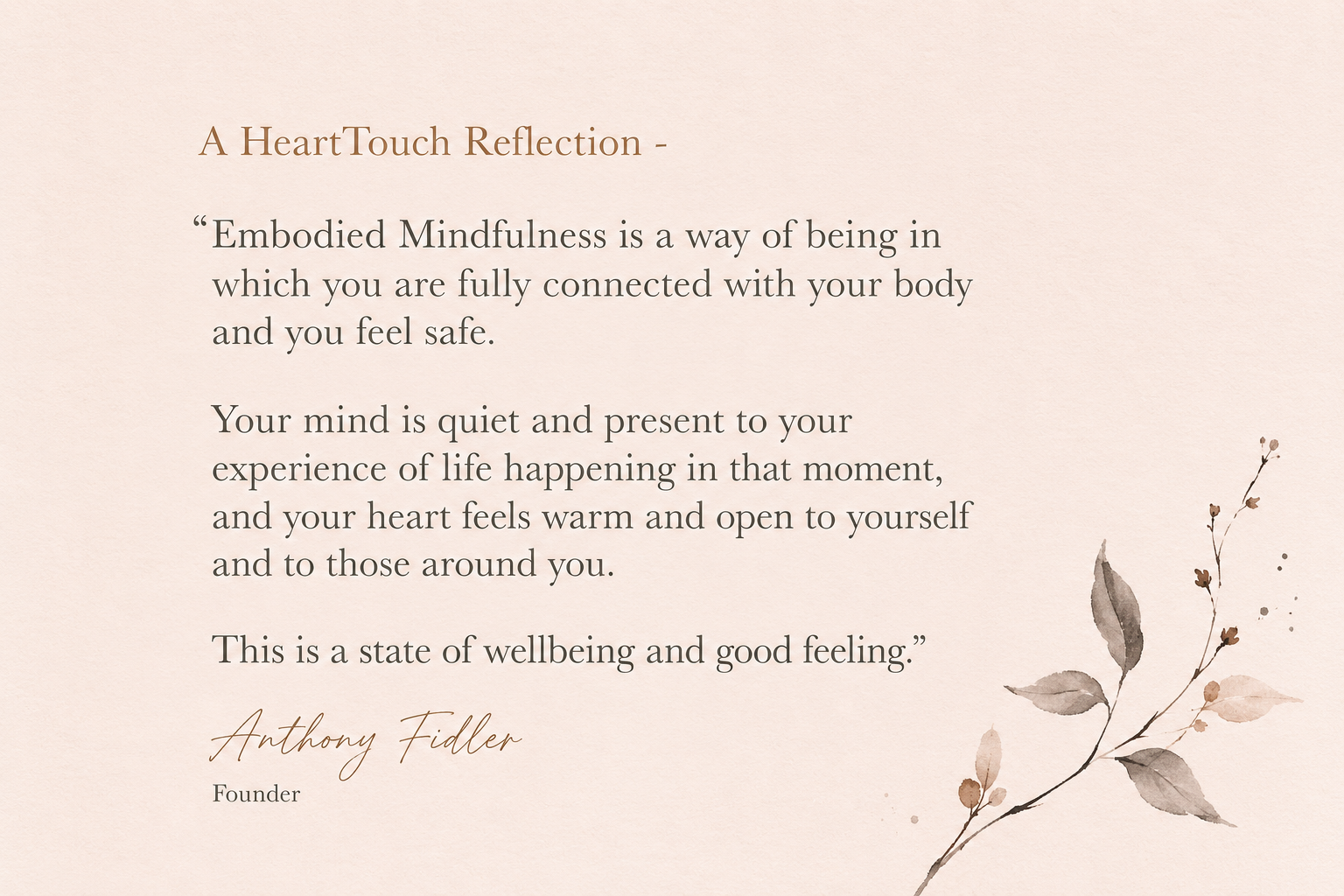
Our Philosophy of Wellbeing
We believe that lasting wellbeing grows through practices that help people cultivate embodied mindfulness and deepen compassionate human connection. When people become part of supportive communities, they can flourish.
Our vision is of a society where welcoming communities play a central role in supporting emotional wellbeing, helping people feel safe, reconnect with themselves and others, discover their strengths and develop the confidence and skills to live well as themselves.
We believe that healthy communities and compassionate specialist services are partners, each with an important role in helping people recover, grow and live fulfilling lives.
We recognise that some people experiencing serious mental health difficulties will require intensive specialist support, including periods of round-the-clock care. Our vision is that these environments continue to evolve, combining safety with the highest standards of compassionate, humane and person-centred care.
Putting Our Vision into Practice
HeartTouch Wellbeing CIC exists to develop, demonstrate and share practical approaches that bring this vision to life.
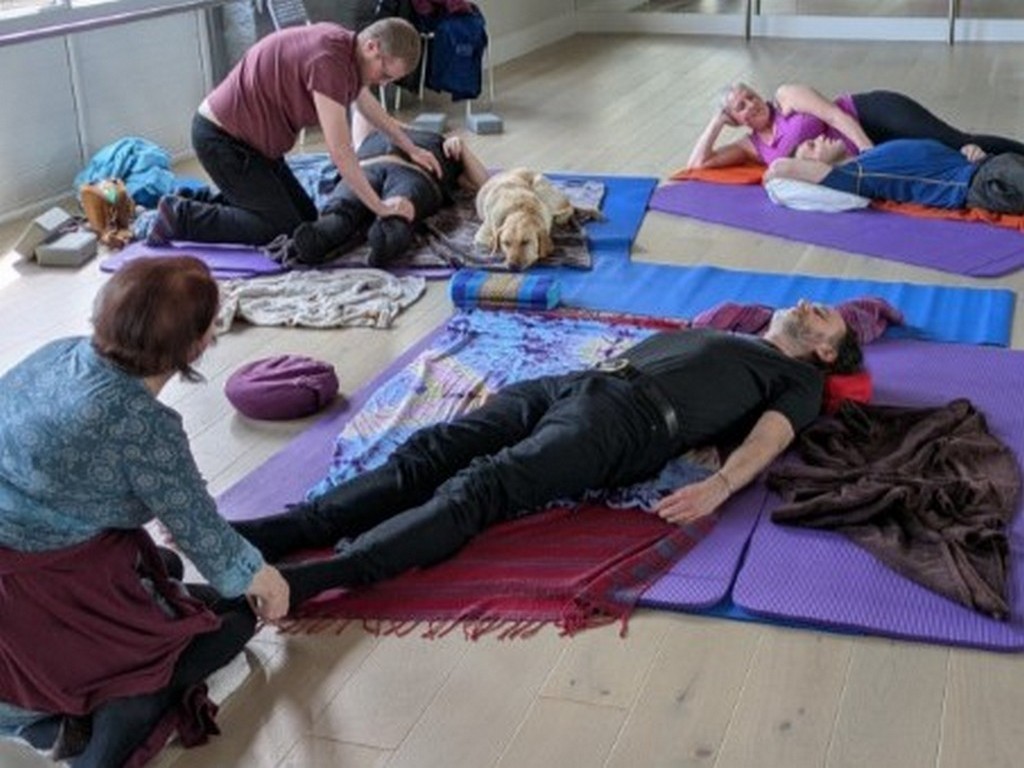 HeartTouch workshop focusing on autism in Yorkshire April 2025
At the foundation of our work is HeartTouch Embodied Mindfulness, which brings together simple embodied practices, presence and compassionate human connection. Through shared practice, people can develop greater grounding, emotional regulation and resilience while becoming more deeply connected with themselves and those around them.
This foundation is expressed through a growing range of programmes and approaches. HeartTouch programmes apply the work to particular areas of wellbeing and human experience, while Weathering Storms supports people navigating spiritual crisis and other overwhelming inner experiences, and Resource Balance applies embodied mindfulness to chronic stress, burnout and sustainable working life.
Alongside structured programmes, we are interested in creating welcoming community spaces where people can meet, practise and learn from one another. The longer-term vision for the Community Ki Café is one expression of this: a place where embodied practices, conversation, creativity and human connection can become part of ordinary community life.
The Potential of Community
We believe that people are not simply recipients of support. Given the right conditions, they can become important resources for one another.
People who have lived through addiction, emotional distress, overwhelming inner experiences, burnout or other significant challenges often carry forms of understanding that cannot easily be acquired through professional training alone. When lived experience is held within an embodied, compassionate and supportive environment, it can contribute to a powerful sense of shared humanity.
Our vision is therefore not simply to provide services to people, but to help create communities in which people can discover their own capacities, learn from one another and experience what becomes possible when they feel sufficiently safe to connect.
Professional knowledge remains an important part of this picture. We hope to contribute to environments in which lived experience, embodied practice and professional understanding can meet with mutual respect, each bringing something valuable to a richer understanding of wellbeing and recovery.
Creating Places to Grow
In the longer term, we hope to create opportunities for people to spend more sustained periods within supportive communities.
 A safe harbour where people can rest, grow stronger and prepare for the journey ahead.
Residential courses could offer time away from the pressures of everyday life, allowing people to deepen embodied practices, develop supportive relationships and strengthen the inner resources they need before returning to the challenges of their lives.
Beyond this, our longer-term vision includes a residential centre where people could stay for longer periods while integrating these practices into everyday living. Shared meals, movement, time in nature, practical activity, conversation, rest and ordinary human companionship could all become part of an environment in which people have time to settle, reconnect and quietly strengthen themselves.
Such a community would not seek to remove people permanently from the difficulties of life. Rather, it would offer a safe harbour: somewhere to develop greater stability, confidence and connection before returning to the wider world with stronger foundations beneath them.
Sharing What We Learn
Our aim is not to build a large national organisation. Instead, we hope to demonstrate what is possible through small, high-quality projects and develop practical approaches that others can adapt within their own communities.
As the work develops, we aspire to train facilitators and practitioners who can bring these approaches into community, healthcare, workplace and educational settings while remaining true to the values on which they are based.
We also hope to work alongside organisations, people with lived experience and professionals who bring different forms of knowledge and experience. Through dialogue, practice and careful observation, HeartTouch can continue to develop while contributing what we learn to a wider conversation about wellbeing, recovery and compassionate human connection.
Looking Forward
We envision communities in which embodied practices and compassionate human connection become ordinary parts of how we support wellbeing, rather than resources people encounter only when something has gone seriously wrong.
We hope to see more places where people can slow down, reconnect with themselves, find meaningful connection with others and discover capacities within themselves that may have become hidden through periods of difficulty or distress.
Above all, we envision communities where people are met first as human beings, where compassionate relationships are valued alongside professional care and where people are supported not simply to manage difficulties, but to recover, grow and live with greater ease, connection and freedom to be themselves.